






econoroofing209@gmail.com
Causes and Risks of Standing Water on Commercial Roofing
Admin • September 30, 2020
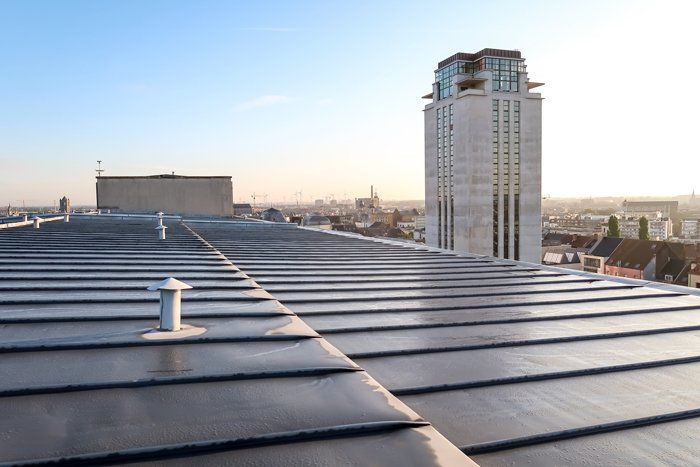
Flat roofing offers many advantages for commercial facilities. In addition to being a cost-effective roofing option, flat roofs are also relatively low maintenance while providing plenty of space for utility equipment. Although flat roofing is often the right choice for commercial buildings, it does have one potential downside: standing water.
Of course, flat roofing is not genuinely flat. Instead, this style of roof uses a low-angle slope to provide drainage. Depending on the design, the roof may slope to the sides of the building or the center. Proper slope and drainage should prevent standing water on any flat roof, but this may not always be the case. Recognizing and addressing standing water issues can help to avoid premature roof failure.
What's the Source of Standing Water?
Standing water on a flat roof can have several potential underlying causes, from structural damage to debris accumulation. To identify the source of pooling water, you should first understand how your roofing drainage system works. Most flat roofs use either gutters, scuppers (holes along the side of the roof), or drainpipes located on the interior portion.
Simple drainage problems are a likely source of standing water on any roof. After a storm or a windy day, leaves or other pieces of debris can clog drainpipes or gutters, preventing water from fully draining from the roof. If you know how your roof drains, you can check and clean these areas to ensure that water can effectively drain from the top.
If there are no evident issues with your existing drains, then the source of the standing water may be more severe. An improper pitch, low spots, compressed insulation, and poor drainage design can all leave water sitting on your roof. Fixing these problems can often require the assistance of a professional roofer.
Why Should You Take Action?
Standing water presents three significant hazards for any roof:
• Water weight
• Potential leaks
• Material degradation
If enough water pools on your roof, the weight of the water can damage the underlying structure or even lead to a collapse. Although severe damage like this is uncommon, it should be a concern if you notice large amounts of water pooling in one section. Eventually, the pool of water can cause the roof to sag, leading to additional drainage issues.
More common issues include leaks and degradation of the upper layer of the roof. When water sits in one area for a long time, it may eventually find its way into weak spots where it can drip into the building's interior. Long-term pooling water can also degrade the roofing membrane or lead to mold growth.
How Can You Address Standing Water?
Once you've identified a problem, a professional can inspect your roof and help you to discover the cause. If you have an older roof or a roof that's been poorly maintained, then your roof may be sagging in one or more areas. These sagging areas are typically the result of compressed or damaged insulation, which a roofing contractor should be able to repair.
Depending on the severity of the problem, additional repair options include adding more drainage, leveling the roof with plaster, or, in severe cases, adjusting the pitch of the entire roof. The correct solution for your particular building will depend on where water is pooling and the overall condition of the roof.
If you have standing water issues with your commercial flat roof, then Econo Roofing can help you determine the most cost-effective solution to keep your roof dry. We'll also ensure that standing water does not lead to costly problems in the future. Get in touch with us today for an inspection and quote.
Don't hire the wrong roofer. Choose Econo Roofing, the best roofing contractor in Stanislaus County. Learn why licensing, insurance, & elite certifications matter.
Is a "cool roof" required for your California home? Understand the Title 24 energy code, what it means for your roof replacement, & how to comply in Climate Zone 12.
How much does a new roof cost in Modesto & Merced? Our 2025 guide breaks down roof replacement costs by material, size, and other key factors. Plan your budget.
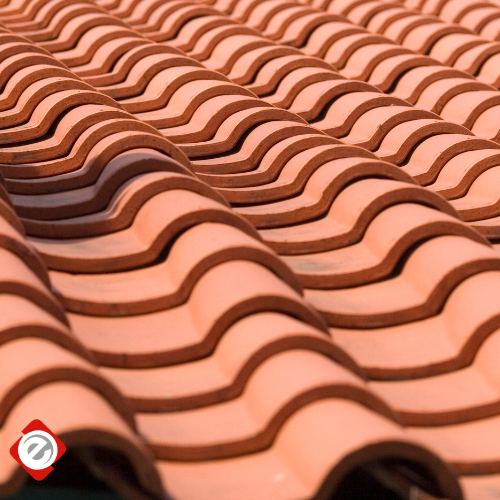
Choosing the right roofing material for the Central Valley climate is key. Compare asphalt shingles, metal, & tile to find the best option for your home & budget.
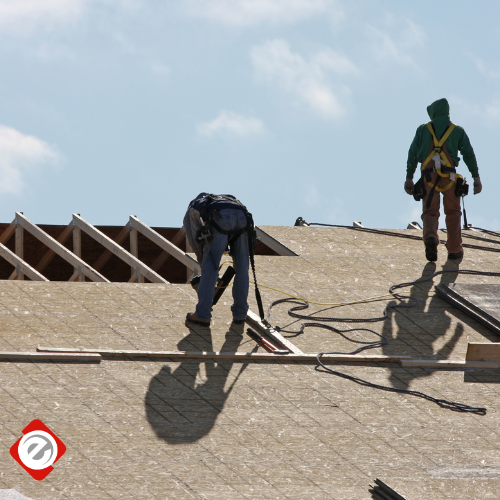
A roof replacement doesn't have to be stressful. Our guide explains what to expect during the process, from property prep and tear-off to final cleanup & inspection.
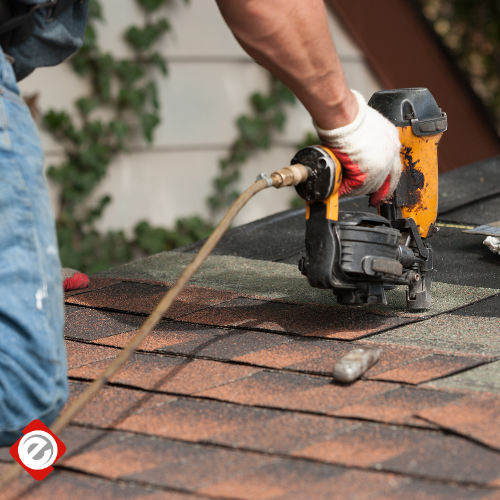
Roof leak? Missing shingles? Learn whether a roof repair or a full replacement is the right choice. Our guide helps you decide based on age, cost, & damage.
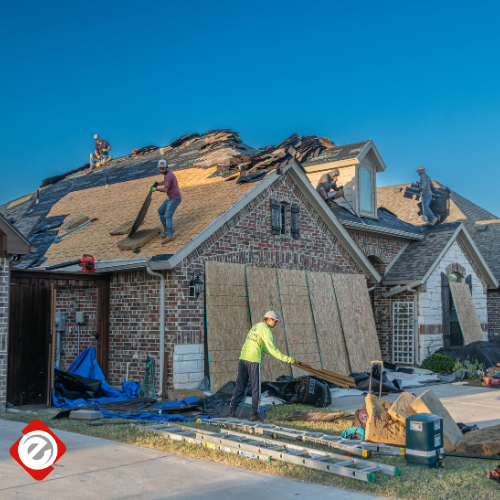
Considering a roof replacement in Stanislaus or Merced County? Complete guide walks you through the process, materials, costs, & how to choose a certified roofer.
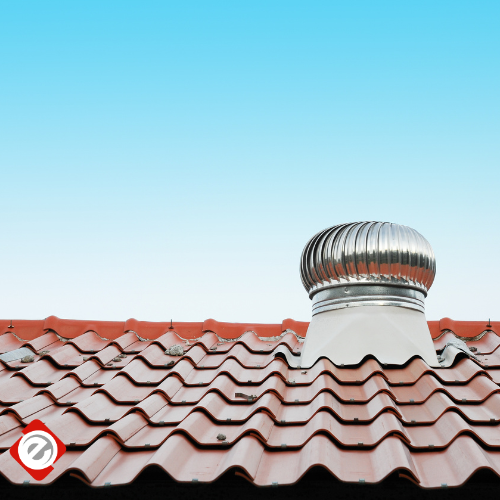
Is your attic overheating? Learn why proper roof ventilation is crucial for Modesto & Merced homes to lower energy bills, prevent mold, and extend your roof's life.
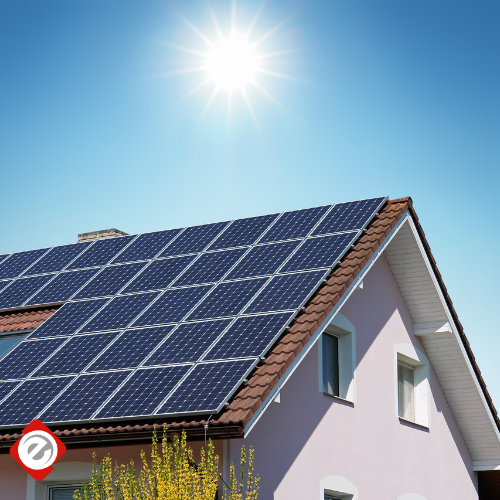
The Central Valley sun is tough on roofs. Learn how intense heat and UV rays cause damage like cracked shingles and nail pops—and what you can do to prevent it.
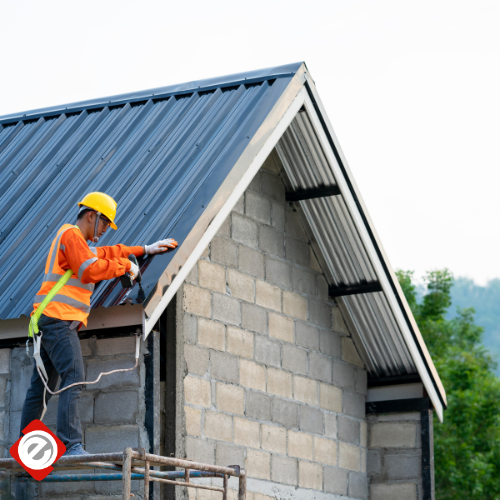
Keep your Central Valley roof in top shape year-round. Our seasonal maintenance checklist helps you prevent leaks, heat damage, and costly repairs. A free guide.






