






econoroofing209@gmail.com
A Homeowner's Guide to Roof Ventilation in Modesto and Merced
Mario Eduardo Espindola • September 22, 2025
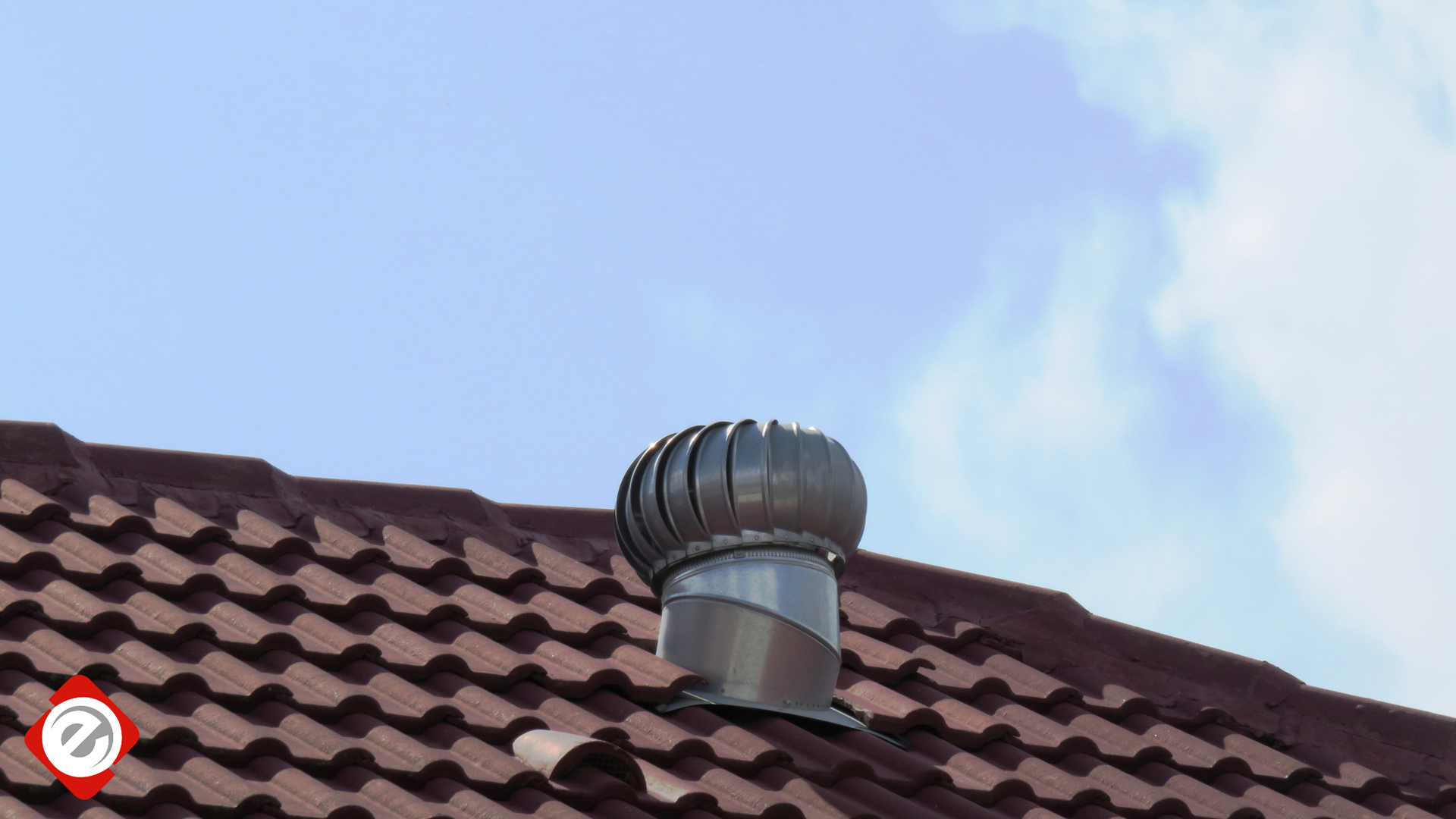
Your roof is a complete system, and one of its most critical—yet often overlooked—components is ventilation. A properly ventilated roof protects your home from the inside out, fighting back against the intense summer heat and seasonal moisture that define life in the Central Valley.
Think of ventilation as your roof's respiratory system. It allows your home to breathe, extending the life of your shingles, improving energy efficiency, and preventing costly damage. This guide explains how it works and why it’s essential for your Modesto or Merced home.
Key Takeaways: Why Roof Ventilation Matters
- Fights Summer Heat: Proper ventilation expels superheated air from your attic, which can otherwise bake shingles from below and drive up your cooling costs.
- Prevents Winter Moisture: It removes moist air that rises into the attic, preventing condensation that can lead to mold, mildew, and wood rot.
- Extends Roof Lifespan: By controlling temperature and moisture, a balanced system prevents the premature cracking and curling of shingles.
- Improves Energy Efficiency: A cooler attic means your air conditioner doesn't have to work as hard, leading to lower energy bills.
Why Your Roof Needs to Breathe:
The Science of Attic Ventilation
In the summer, the sun can heat an attic to extreme temperatures, sometimes exceeding 150 degrees. This trapped, superheated air can bake your shingles from below, causing them to crack and curl prematurely. It also radiates down into your living spaces, forcing your air conditioner to work harder and driving up your energy bills.
In the winter, warm, moist air from inside your home rises into the attic. Without a way to escape, this moisture condenses on the cool underside of the roof deck, leading to mold, mildew, and even wood rot.
Proper ventilation solves both problems by creating a continuous flow of air that removes trapped heat and moisture.
The Two Parts of a Healthy System: Intake and Exhaust
A balanced ventilation system works like breathing. It requires both an
intake to bring fresh air in and an
exhaust to let stale air out.
- Intake Vents: Located at the lowest part of the roof (typically under the eaves in the soffit), these vents pull in cool, dry air from the outside.
- Exhaust Vents: Positioned at the highest point of the roof, these vents allow hot, moist air to escape as it naturally rises.
Without both, the system fails. A balanced system is essential for proper airflow.
Frequently Asked Questions
How much attic ventilation do I need in Modesto?
California's building code generally requires a minimum of 1 square foot of ventilation for every 150 to 300 square feet of attic floor space. The exact amount depends on your roof's design, but the key is to have a balanced system with an equal amount of intake and exhaust vents.
What are the signs of poor roof ventilation?
Common signs include consistently hot rooms on your top floor, a spike in summer energy bills, moisture or a musty smell in the attic, and shingles that are cracking or curling prematurely.
Is ventilation part of California's Title 24 requirements?
Yes, proper attic ventilation is a key component of meeting California's Title 24 energy efficiency standards, especially in Climate Zone 12 where Stanislaus and Merced counties are located. A compliant roofing system often includes both "cool roof" materials and adequate ventilation.
The Right Way to Ventilate: A Professional Assessment
Calculating the precise ventilation needed for your home can be complex, as factors like roof pitch and design can change the requirements. The only way to ensure your system is correct, balanced, and compliant is through a professional assessment.
For a complete overview of roofing in our region, see our The Ultimate Guide to Roofing for Central Valley Homeowners.
Your Next Step: Ensure Your System is Complete
A high-quality roof is more than just shingles. It's an entire system working together to protect your home, and proper ventilation is a key part of that system.
Want to ensure your roof is performing at its best? Schedule a free, no-obligation roof inspection with our certified experts today.
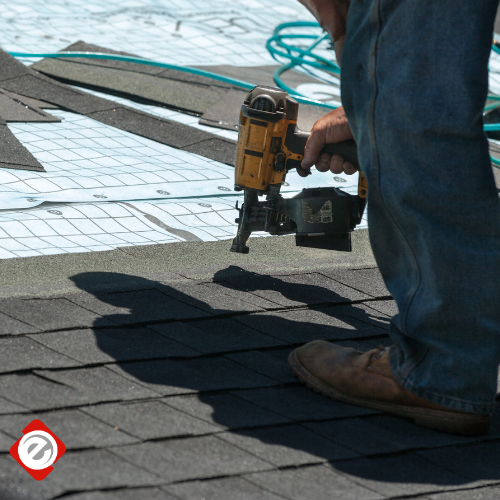
Don't hire the wrong roofer. Choose Econo Roofing, the best roofing contractor in Stanislaus County. Learn why licensing, insurance, & elite certifications matter.
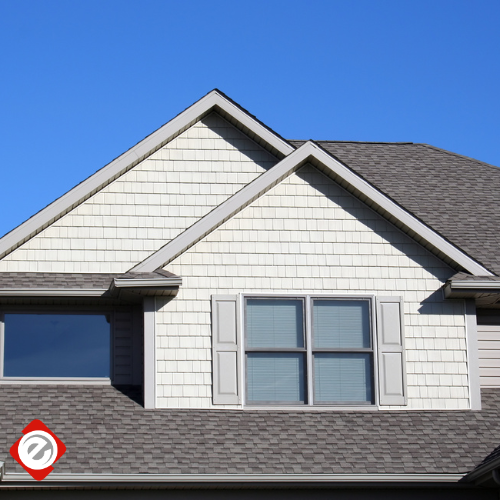
Is a "cool roof" required for your California home? Understand the Title 24 energy code, what it means for your roof replacement, & how to comply in Climate Zone 12.
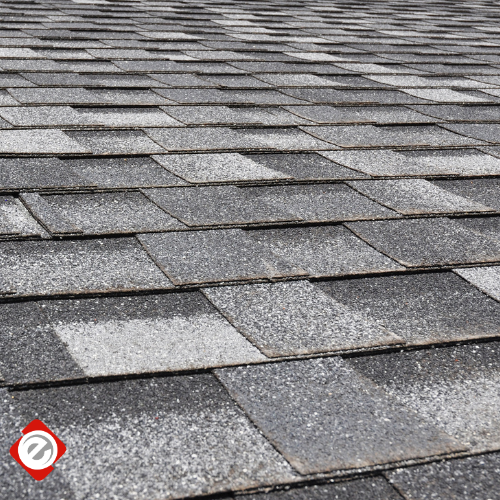
How much does a new roof cost in Modesto & Merced? Our 2025 guide breaks down roof replacement costs by material, size, and other key factors. Plan your budget.

Choosing the right roofing material for the Central Valley climate is key. Compare asphalt shingles, metal, & tile to find the best option for your home & budget.
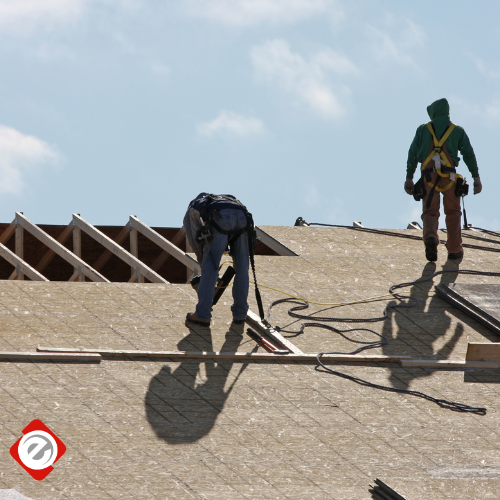
A roof replacement doesn't have to be stressful. Our guide explains what to expect during the process, from property prep and tear-off to final cleanup & inspection.
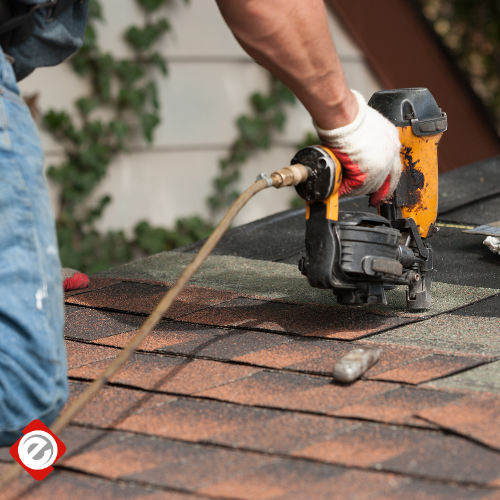
Roof leak? Missing shingles? Learn whether a roof repair or a full replacement is the right choice. Our guide helps you decide based on age, cost, & damage.
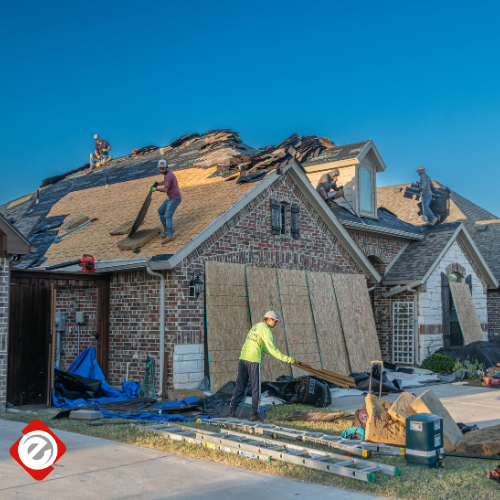
Considering a roof replacement in Stanislaus or Merced County? Complete guide walks you through the process, materials, costs, & how to choose a certified roofer.
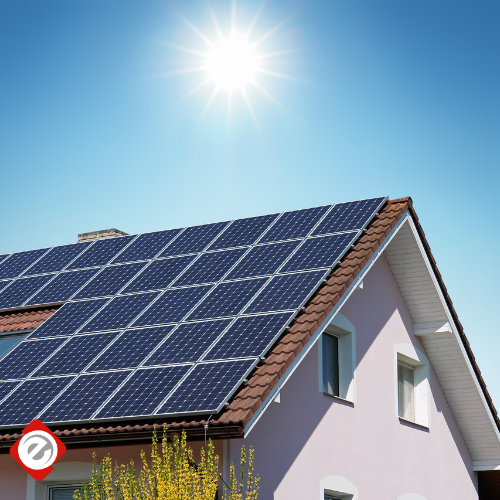
The Central Valley sun is tough on roofs. Learn how intense heat and UV rays cause damage like cracked shingles and nail pops—and what you can do to prevent it.
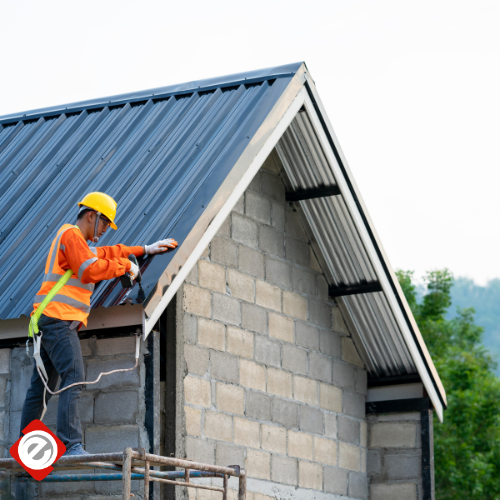
Keep your Central Valley roof in top shape year-round. Our seasonal maintenance checklist helps you prevent leaks, heat damage, and costly repairs. A free guide.
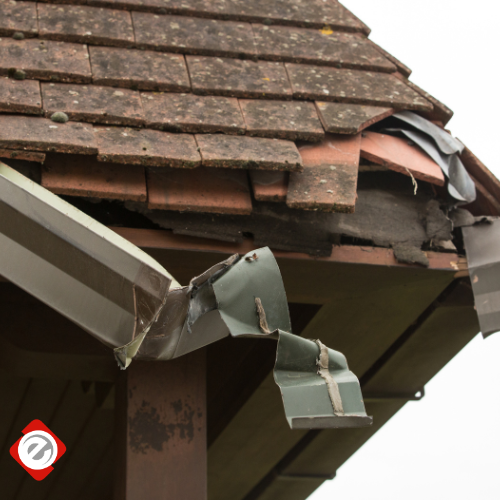
Is your roof damaged? Learn the 5 telltale signs of roof damage for Stanislaus & Merced County homes, from hidden leaks to sun damage. Protect your investment.






