






econoroofing209@gmail.com
5 Places Your Roofing Contractor Will Look for a Sneaky Leak
Admin • September 20, 2018
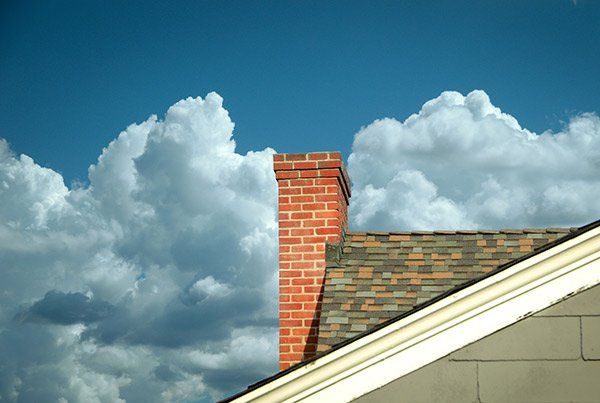
Leak detection can be a tricky business, and sometimes you need to call a roofing contractor before you even know where the leak is coming from. Roofing contractors know the most common sources of leaks and understand what to do about each one, which makes the process faster so you can get your roof repairs done quickly.
Here are five places your roofing contractor will often look for your sneaky leak.
1. Roof Valleys
Roof valleys, the junctures where the lower edges of two slopes come together, are particularly susceptible to leaks. The bottom of the valley has to catch and hold the rainwater draining down from the adjacent roof slopes, and it often has hardly any slope to help direct water. This means any leaks have gravity in their favor.
Because of these added challenges, roof valleys need special treatment when a roof is being installed, and they often require extra maintenance as well. If this maintenance isn't kept up or if a storm damages the area, leaks become even more likely.
2. Edge and Drip Edge Flashing
Edge flashing is absolutely crucial for protecting the vulnerable edges of your roof from weather incursions. And sometimes it's hard for a homeowner to tell when flashing is damaged. But whether the flashing was improperly installed, neglected for too long, or damaged by a hailstorm or hurricane, any damage could allow water access to your home's interior.
The drip edge flashing, which runs along the eaves of your house, is critical because incorrect installation can allow fascia and soffit boards to rot.
Your roofing contractor will be able to determine where the flashing is damaged or improperly attached and which spots are the most likely culprits for a leak, then tighten these areas up with quick repairs.
3. Chimneys and Crickets
If your chimney is especially wide, it should have a cricket behind it. A cricket is an upside-down V-shaped part of the roof that sits behind the chimney and sheds rain and debris off to the sides. Without it, water and debris are more likely to collect behind the chimney, making leaks even more likely.
Crickets are also needed if your chimney is near the eaves or has a long distance of slope above it since this means the chimney has more water draining down to it from uphill.
Your contractor will also need to check the chimney flashing. This should be a two-part type of flashing and has very specific criteria for installation. If these criteria aren't met, the flashing could look great but could let water flow right past it into your attic.
4. Other Roof Penetrations
Every roof penetration, from your chimney to your satellite dish or solar panels, should have adequate flashing. However, sometimes caulk is used instead of flashing, and sometimes rubber boots are used for plumbing vents. Rubber and caulk are both susceptible to deteriorating and drying out, then cracking and allowing water to sneak in.
Animals sometimes attack plumbing vents as well. Raccoons, for example, tend to rip roof components up in an attempt to enter the attic. This is often a very obvious type of damage, but smaller amounts of damage by smaller pests can be more easily overlooked.
5. Low Slope Junctions
Does your roof have multiple slopes of varying steepness? If one steep slope feeds onto an area below it with a lower slope, this is likely to be a common area of failure. That's because lower slopes are more likely to leak in general, and when they have water dropping straight down onto a specific point from above, that area is under a lot more stress.
These are just five likely spots for leaks to sneak through your roof. If your roofing contractor doesn't find anything wrong with these spots, there may be another issue such as improper roof installation. And don't forget that sometimes water damage is caused by condensation rather than an actual leak.
If you need help sniffing out a source of moisture or with some other roofing project, contact Econo Roofing right away.
Don't hire the wrong roofer. Choose Econo Roofing, the best roofing contractor in Stanislaus County. Learn why licensing, insurance, & elite certifications matter.
Is a "cool roof" required for your California home? Understand the Title 24 energy code, what it means for your roof replacement, & how to comply in Climate Zone 12.
How much does a new roof cost in Modesto & Merced? Our 2025 guide breaks down roof replacement costs by material, size, and other key factors. Plan your budget.

Choosing the right roofing material for the Central Valley climate is key. Compare asphalt shingles, metal, & tile to find the best option for your home & budget.
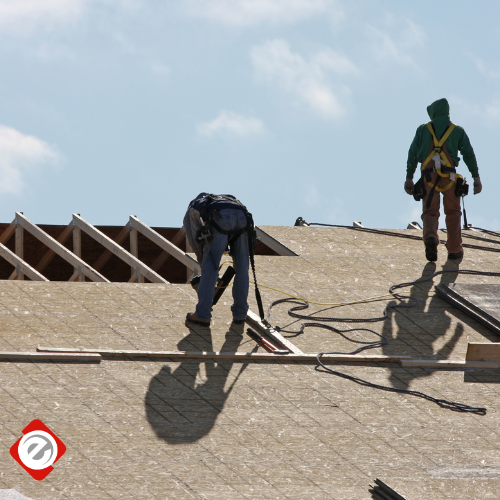
A roof replacement doesn't have to be stressful. Our guide explains what to expect during the process, from property prep and tear-off to final cleanup & inspection.
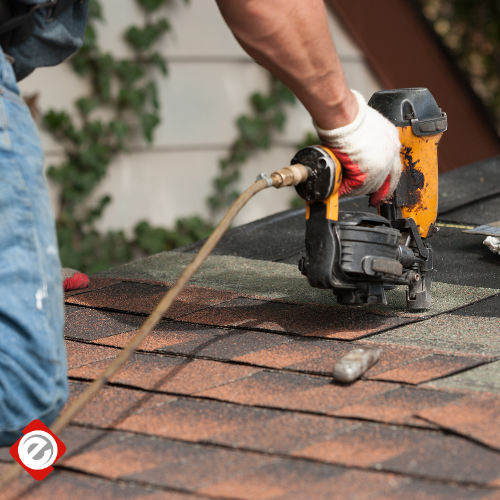
Roof leak? Missing shingles? Learn whether a roof repair or a full replacement is the right choice. Our guide helps you decide based on age, cost, & damage.
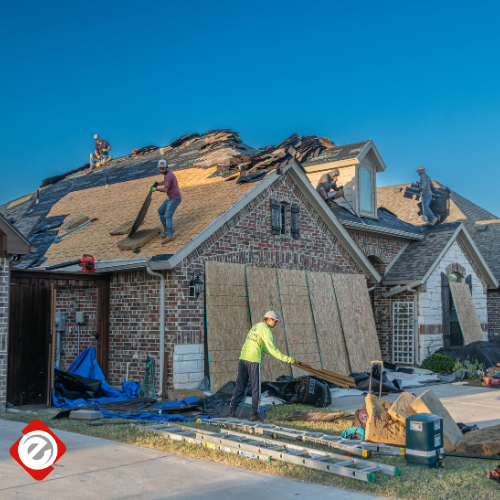
Considering a roof replacement in Stanislaus or Merced County? Complete guide walks you through the process, materials, costs, & how to choose a certified roofer.
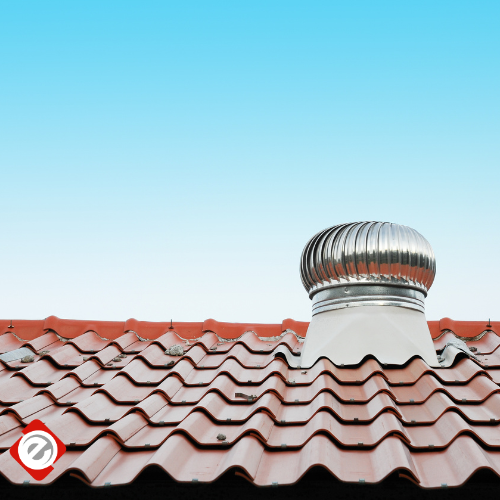
Is your attic overheating? Learn why proper roof ventilation is crucial for Modesto & Merced homes to lower energy bills, prevent mold, and extend your roof's life.

The Central Valley sun is tough on roofs. Learn how intense heat and UV rays cause damage like cracked shingles and nail pops—and what you can do to prevent it.
Keep your Central Valley roof in top shape year-round. Our seasonal maintenance checklist helps you prevent leaks, heat damage, and costly repairs. A free guide.






